WASHINGTON – The average cost for a premium subscription on a music streaming app is $10 a month, but a musician only makes around 3/1,000 of a cent per stream depending what app is used.
Andy Valenti, a guitarist and singer in the indie soul band Oh He Dead, says although his band has over 500,000 streams on Spotify, they have only made about $1,500 to $2,000 total from these streams.
He said, in a phone interview, that the band “put our music on Spotify because that is where the listeners are. It is mainly an avenue to get our music in front of people.”
“No one in our shoes expects they will make a living off of streaming, so that’s why we play live shows and sell merch,” Valenti said. “Spotify makes up for not paying their artists by giving us listener data.”
The data given by Spotify to artists on their platform includes listener demographics, what song is streamed the most and what cities around the world have the most people that stream a specific artist.
Valenti said the data given from this service has helped his band decide where they should tour and how they should market their music to specific audiences.
Adam Bradley’s indie pop band,Sub-Radio, has a larger stream count than Oh He Dead with over 2 million streams total since 2016. As a result, Bradley, who does vocals for Sub-Radio, said he and his band mates receive about $150 to $200 every two weeks from multiple streaming services.
When it comes to bands and streaming royalties, the band gets one check and then has to divide it amongst its members. This is the case for Oh He Dead and Sub-Radio.
While Spotify may not pay artists well, it is fairly easy to get on it. An artist or band pays about $20 a year to a third-party music distributor who then puts the music on the app.
“Spotify is good because it is the biggest streaming platform out there,” Bradley said in a phone interview. “However, it does suck that we are putting our music in front of all of these people and do not really get compensated for it.”
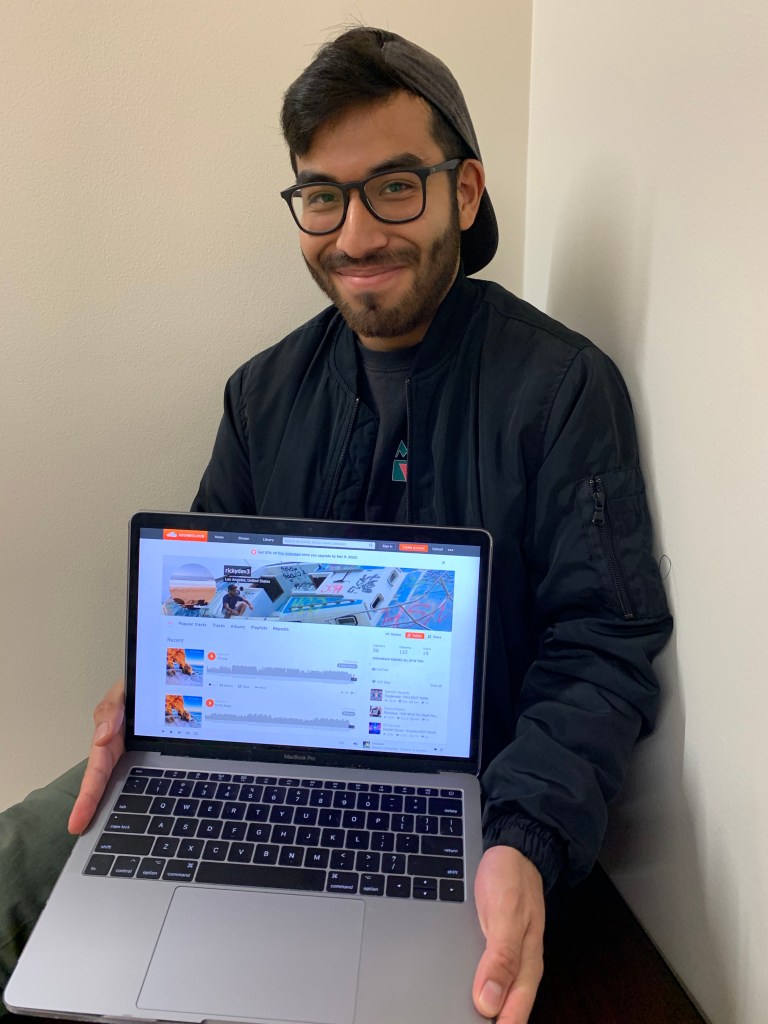
Beginning artists and bands put their music on streaming outlets hoping to get fans and eventually get enough listeners to receive some form of compensation. This is the goal for American University senior Ricardo Vasquez. He uses SoundCloud to publish original songs and electronic dance music remixes of popular songs under the name rickydav3.
Vasquez’s most popular song, titled “Natasha Bedingfield – Pocketful of Sunshine (Rickydav3 Progressive House Remix)”, has over 4,000 streams on SoundCloud.
“At first, I started putting my stuff on YouTube because I thought that was the place to be,” Vasquez said in an interview. “But, eventually I realized SoundCloud is the play where small musicians go to post their stuff and get recognition.”
The small amount of money paid whenever a song is played makes artists turn
to other ways to get money, including an increase in concert ticket and merchandise prices or limiting the number of albums being made.
The passage of the Music Modernization Act of 2018 would fix this by having a government-sponsored group of music labels and streaming services create a database that makes it easier for musicians to get royalties by January 2021. Once the database is created, the government will enter discussions with these groups to increase the streaming rate.
The government is going to be involved with the streaming amount because it is a hard topic to find common ground with just the record labels and streaming platforms. It is even difficult to find an amount that artists that use streaming platforms agree they deserve.
“I do not think it is unreasonable to ask for 50 cents a stream (so) that way each person in my band can get 10 cents,” Valenti said. “There needs to be a system where people can pay a fair price to stream music while artists still get compensated.”
He agreed with an interview done by Jack Stratton from the band Vulfpeck when Spotify first went on the stock market. Stratton compared Spotify’s monthly fee of $10 to being able to pay $10 a month to Whole Foods and being allowed to take as many items from the store without paying more.
“I do not really know the formula that is used to figure out how much one gets paid for a stream so I can’t give a specific amount,” Bradley said. “But I do think the iTunes model where you pay a miniscule amount to have permanent access to a song is better than the pay per stream system out there now.”
Vasquez, who is a solo artist, said he would like to be paid around 10 cents per stream when he eventually starts getting paid for his music.
“There is a meme in the musician community about streaming that’s like if you could get paid in exposure, then you would be a millionaire,” Vasquez said. “While exposure is great, it doesn’t do as much for you as money could.”
Although these three musicians could not say the perfect amount an artist should receive, they all said that getting more money would allow artists to record more music and be able to make a more of a living on recording music then focusing only on touring.
In the meantime, each suggested that just following a band or artist on any form of social media and sharing their music with friends goes a long way in supporting smaller acts. Merchandise sold at live performances, such as shirts or CDs, is another way to support small acts because they receive most of the money from the purchase.
While the database for the Music Modernization Act is being created, each of these artists are doing projects that will hopefully get them more money in the meantime.
Oh He Dead is going on a nationwide tour starting in April. Sub-Radio has recently dropped a single and are also going on tour in April. Vasquez hopes to release an album in the upcoming month that will be on Spotify where he will hopefully start getting compensated, regardless of the amount for now.
 Advanced Reporting Times, Spring 2020